Wine and cheese have been companions for centuries, sharing a love affair that’s as classic as a rom‑com and as sophisticated as a Michelin‑star dinner. But with so many varieties on the market, figuring out which pairings will make your palate sing can feel like trying to solve a crossword with a blindfold on. This article will walk you through the most popular wine and cheese pairings, sprinkle in a few unexpected twists, and keep you laughing when the cheese arrives too early or the wine is too bold. Let’s uncork the secrets together.
Why Pairing Matters
When you think of wine and cheese, you might picture a cozy night in or a bustling market stall. Either way, the goal is to create a harmony that feels like a well‑written sentence—each word (or bite) complements the other without overpowering it. The science behind pairing is simple: balance acidity, sweetness, and body. A bold red can tame a sharp cheddar, while a crisp white can highlight a creamy brie.
*“Wine is the only thing that can bring people together without a conversation,”* once said a wise sommelier. That quote reminds us that the right pairing can spark conversation, not just taste.
Taste Harmony
- Acidity in wine cuts through the fat in cheese, preventing a greasy feel. Sweetness balances salty or umami notes. Body—light, medium, or full—matches the texture of the cheese.
When these elements align, the pairing feels effortless, like a dance where both partners know the steps.
Classic Pairings That Never Go Out of Style
If you’re new to the world of wine and cheese, start with these tried‑and‑true combinations. They’re the “cheese‑and‑wine” version of a universal favorite: a good book and a comfy chair.
Red Wine & Hard Cheeses
Hard cheeses, such as aged Gouda, Parmigiano‑Reggiano, or Manchego, pair beautifully with medium‑to‑full‑bodied reds. The wine’s tannins soften the cheese’s sharpness, while the cheese’s nutty flavors deepen the wine’s complexity.
- Cabernet Sauvignon + Aged Gouda Merlot + Parmigiano‑Reggiano Syrah + Manchego
White Wine & Soft Cheeses
Soft, creamy cheeses like Brie, Camembert, or fresh goat cheese find their match in lighter whites. The wine’s acidity lifts the cheese’s richness without clashing.
- Chardonnay + Brie Sauvignon Blanc + Goat Cheese Pinot Grigio + Camembert
Rosé & Mild Cheeses
Rosé’s bright fruitiness and moderate acidity make it a versatile partner for mild cheeses. It’s the middle ground between red and white, so it can handle a broader range of flavors.
- Provence Rosé + Gouda California Rosé + Fresh Mozzarella Sparkling Rosé + Havarti
Seasonal Pairings for Every Occasion
The best pairings often depend on the time of year and the vibe you’re aiming for. Think of wine and cheese as a wardrobe: you’ll want different pieces for different seasons.
Summer: Light and Zesty
When the sun is blazing, you want something refreshing that won’t weigh you down. Pair a crisp white or sparkling wine with a light, tangy cheese.

- Sparkling Water + Feta Moscato + Burrata Vermentino + Goat Cheese
Winter: Rich and Warm
Cold nights call for comfort. A bold red or a warm, fortified wine can complement richer cheeses, creating a cozy atmosphere.
- Zinfandel + Blue Cheese Port + Aged Cheddar Sherry + Gruyère
Beyond the Basics: Unexpected Pairings
Why stick to the classics when you can surprise yourself? A little experimentation can turn a simple snack into an unforgettable experience.
Sweet Wines with Salty Cheeses
Sweetness can counterbalance saltiness, creating a delightful contrast. Think of a dessert wine with a sharp, salty cheese.
- Late Harvest Riesling + Roquefort Sauternes + Aged Gouda Ice Wine + Parmigiano‑Reggiano
Spicy Cheeses with Dry Whites
If you love a kick, pair a spicy cheese with a dry white that can handle the heat read more without losing its own voice.
- Pepper Jack + Sauvignon Blanc Chili‑infused Brie + Riesling Jalapeño Cheddar + Chenin Blanc
Tips for Curating Your Own Pairing Menu
Crafting a pairing menu that feels both adventurous and balanced is an art. Here Gourmet snacks are some practical guidelines to keep your selections on point.
Balance Flavor and Texture
- Texture: Pair a creamy cheese with a wine that has a slight body to match its mouthfeel. Flavor: Match the intensity of the wine’s fruit with the cheese’s sharpness or sweetness.
Consider Regional Pairings
- Italian: Chianti with Pecorino French: Bordeaux with Roquefort Spanish: Rioja with Manchego
Regional pairings often reflect centuries of local tradition, offering a cultural depth that pure flavor matching can’t replicate.
Build a Cheese Board
- Variety: Include at least one hard, one soft, and one blue cheese. Accompaniments: Add fruit, nuts, and a light bread or crackers. Presentation: Arrange cheeses in a circular pattern, with wines displayed in small tasting glasses.
Making Your Selection Count
Now that you’ve mastered the basics and ventured into the adventurous, it’s time to put theory into practice. Whether you’re hosting a dinner party, planning a quiet evening, or simply looking to elevate your snack game, remember that the best pairings are those that make your taste buds dance and your friends laugh.
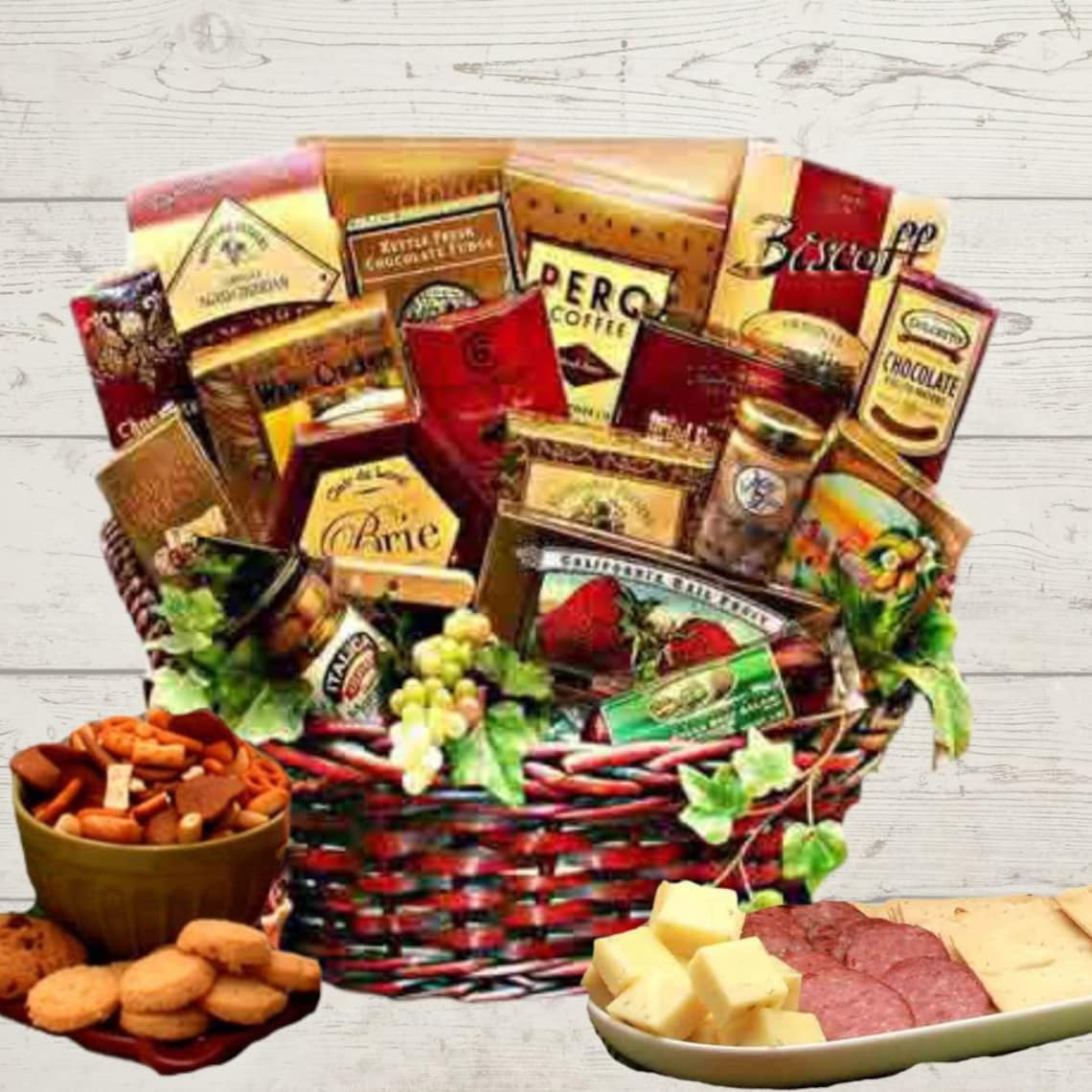
Take a moment to experiment: start with a classic pairing, then tweak one element—perhaps swap the cheese for a different texture or the wine for a slightly sweeter or drier version. Notice how the balance shifts. That’s the sweet spot where your palate feels at home.
When you’re ready to share your discoveries, consider hosting a “Wine & Cheese Night” where guests can try each pairing and vote on their favorites. The feedback loop will sharpen your future selections and create a memorable event.
*Your next wine and cheese pairing adventure is just a cork away. Pick a bottle, slice a cheese, and let the flavors do the talking.*